When floodwater enters a home, it threatens living rooms, bedrooms, kitchens, flooring, drywall, and personal belongings. Our residential flood damage services help Panama City homeowners move from the initial flood event through comprehensive assessment, standing water removal, deep extraction, structural drying, and complete home repairs.
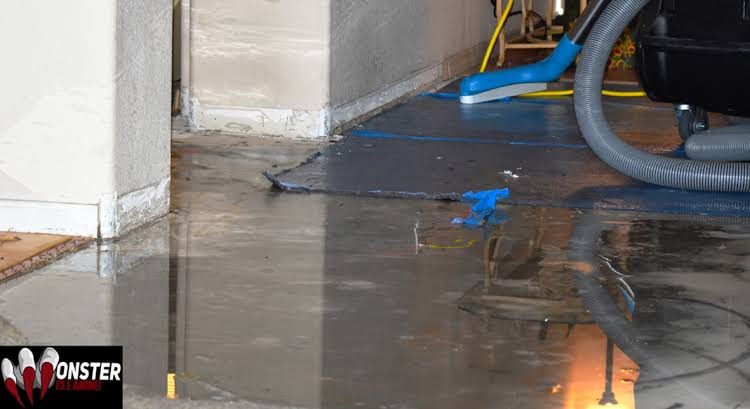
Comprehensive water removal, extraction, structural drying, and damage repair tailored for homeowners across Panama City and surrounding Bay County communities.
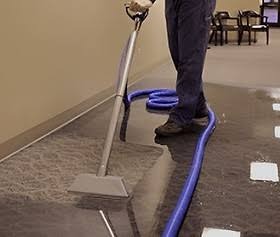
Thorough debris removal, silt clearance, and antimicrobial sanitization to restore safety and cleanliness after flood events.
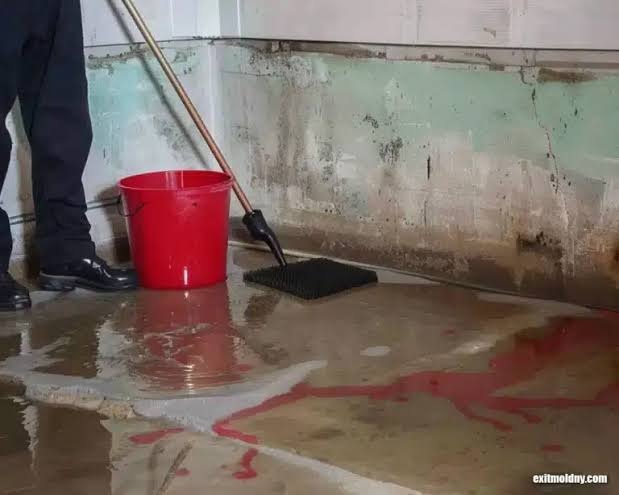
Fast standing water removal, bulk pumping, and immediate hazard containment to protect building foundations and flooring.
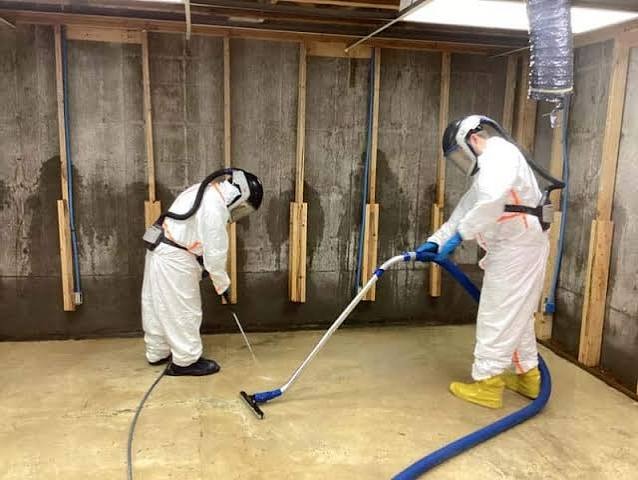
Industrial weighted extraction wands pulling trapped floodwater from carpets, subflooring, and porous construction materials.
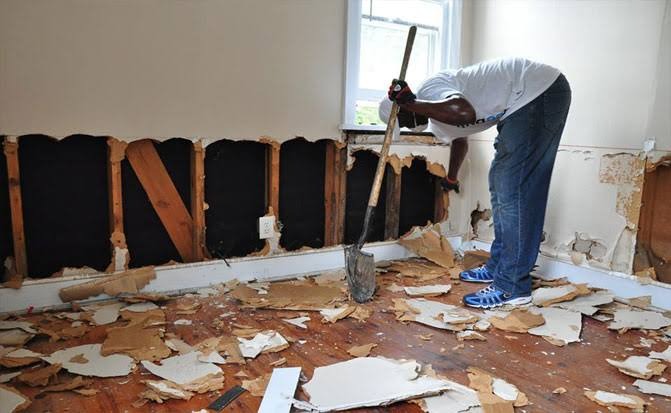
Controlled flood cuts on wet drywall, insulation removal, subfloor repairs, and complete structural restoration.
Dedicated restoration for homeowners across Bay County covering kitchens, living rooms, crawl spaces, and personal belongings.
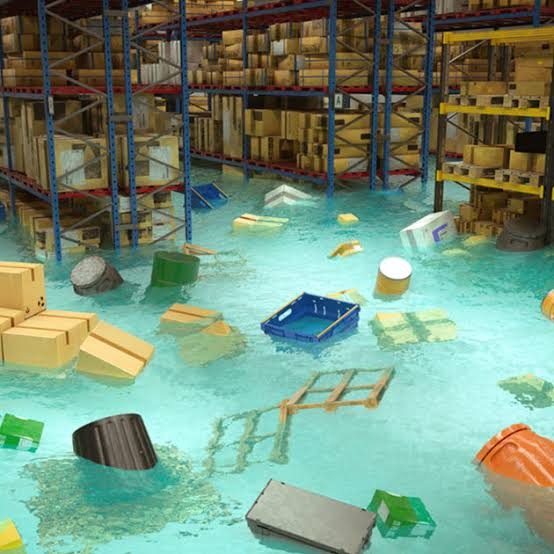
Rapid business mitigation, large-loss floodwater removal, and industrial structural drying for retail, offices, and warehouses.
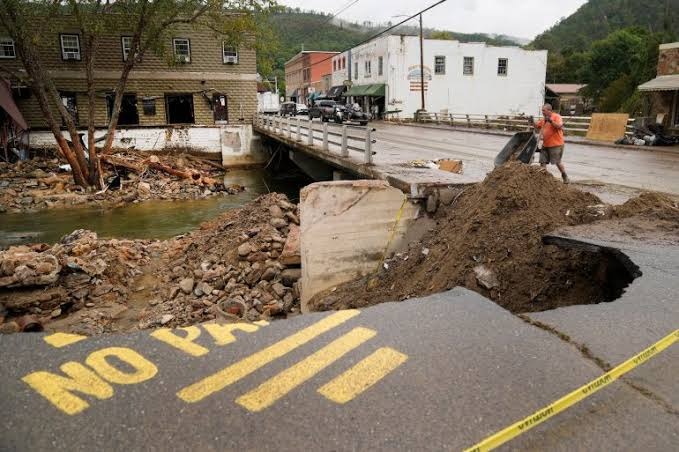
Emergency response for tropical storm and hurricane flooding, storm surge water extraction, and multi-room structural drying.
Panama City homes face distinct environmental and weather-related flood risks across Bay County:
Major tropical systems generating storm surge, extensive structural water intrusion, and sustained heavy precipitation.
Prolonged rain bands that saturate residential lawns and overwhelm municipal drainage canals.
Intense local cloudbursts causing flash flooding around low-lying foundations and doorways.
Severe seasonal thunderstorms accompanied by rapid surface water pooling and yard flooding.
Tidal surges pushing water into coastal and bayfront homes along St. Andrews Bay and Grand Lagoon.
Runoff from neighboring elevated lots and street drainage backups entering ground floors.
Floodwater spreads rapidly across connected residential living areas, affecting different rooms according to foundation elevation, construction materials, and floor layouts.
Because water naturally flows to the lowest path of resistance, concealed moisture travels deep beneath finished surfaces, into framing cavities, and across lower utility spaces long before it is visible on the surface.
Our residential restoration specialists evaluate and restore all impacted zones throughout your home:
The speed of water extraction and structural drying directly determines which materials and belongings can be saved.
When storm surge, heavy rain, or drainage overflow enters a residential structure, different materials react according to porosity and moisture sensitivity. Finished hardwoods cup and buckle, carpets and dense foam padding hold gallons of contaminated black water, and drywall wicks moisture upward through capillary action.
Beneath the surface, water penetrates structural plywood subflooring, base framing sill plates, and concealed wall cavities containing fiberglass insulation. Without rapid extraction and scientific dehumidification, structural swelling, adhesive delamination, and microbial colonization begin within 24 to 48 hours.
Our Panama City residential restoration teams deliver complete end-to-end recovery—from high-volume standing water pumping and weighted carpet extraction to antimicrobial sanitization, controlled drywall flood cuts, and final structural rebuilds across Bay County.
"When floodwater enters a home, every hour matters. Fast moisture extraction and thorough structural drying protect both your property and your family's health."
Available 24/7 for emergency home flood extraction and damage mitigation across Bay County, Florida.
Call (786) 776-2868A comprehensive residential flood damage assessment establishes exactly how far floodwaters have migrated through your home, identifying hidden moisture pockets and determining what cleanup, water extraction, structural drying, or reconstruction steps are necessary.
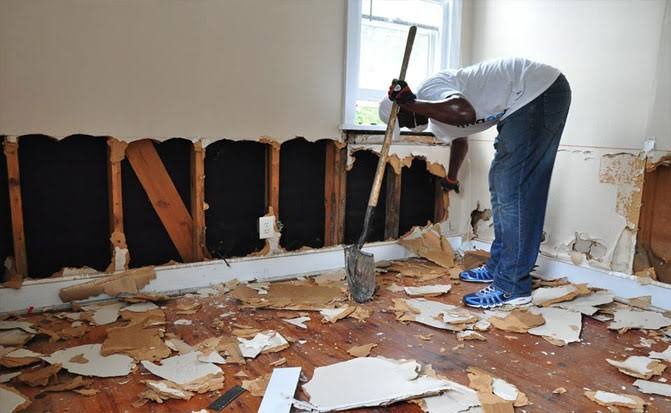
Pinpoint hidden moisture before structural drying begins
Thorough inspection of all flooded rooms, identifying water migration paths and assessing safety hazards.
Pumping standing floodwater out of living spaces, hallways, kitchens, crawl spaces, and garages.
Extracting water trapped in carpets, underlayment padding, hardwood floors, and subfloor sheathing.
Setting commercial air movers and LGR dehumidifiers to pull moisture out of wall studs, drywall, and ceilings.
Thoroughly washing down, treating, and deodorizing framing and surfaces with hospital-grade sanitizers.
Replacing drywall, baseboards, flooring, doors, and trim to restore your home to pristine pre-flood condition.
Hurricanes and severe tropical cyclones pose an extreme flood threat to residential properties across Panama City, Panama City Beach, Lynn Haven, Callaway, Parker, and coastal Bay County. Tropical systems combine catastrophic storm surges along St. Andrews Bay and Grand Lagoon with intense, sustained downpours and hurricane-force wind-driven rain.
When saltwater storm surge and contaminated runoff breach ground-floor living areas, water rapidly saturates subfloors, drywall assemblies, and household contents. Certified IICRC S500 structural mitigation is required immediately to extract Category 3 black water, eliminate corrosive salt residues, and prevent toxic mold proliferation within 24 to 48 hours.
Our disaster recovery teams deploy specialized high-capacity extraction and drying equipment to address every facet of hurricane flood damage:
Tidal surges from St. Andrews Bay, North Bay, and West Bay push saltwater and silt into ground-level living spaces, garages, and crawl spaces, requiring rapid water pumping and salt neutralization.
Gale-force hurricane winds damage roofing shingles, flashing, soffits, and window seals, driving hundreds of gallons of rainwater directly into attics, ceiling assemblies, and interior wall cavities.
External storm floodwater carries sewage overflow, bacteria, chemicals, and street runoff, requiring controlled non-salvageable material removal and hospital-grade EPA antimicrobial sanitization.
Saline moisture binds chemically inside wood framing and concrete slabs. We deploy industrial LGR dehumidifiers and high-velocity air movers to pull bound moisture from deep structural components.
Saturated fiberglass insulation and moisture-wicking gypsum board are neatly cut 12–24 inches above the flood line, exposing wood stud framing for thorough antimicrobial washdown and drying.
Comprehensive itemized loss logging, infrared thermal imaging moisture maps, and photo logs prepared to assist homeowners with National Flood Insurance Program and private claim filings.
Rapid response after hurricane landfall minimizes structural degradation and accelerates whole-home reconstruction across Bay County.
Intense subtropical downpours and slow-moving storm fronts represent the single most common cause of residential flooding across Bay County. During torrential rainstorms, local municipal canals, roadside ditches, and residential swales in neighborhoods like Millville, Springfield, Upper Grand Lagoon, and Hiland Park quickly reach capacity.
When sandy coastal soil becomes fully saturated, excess rainwater pools around slab foundations and low-lying entryways. Hydrostatic pressure forces surface runoff through exterior doorways, garage thresholds, and crawl space vents into interior living spaces, threatening flooring systems and structural drywall.
Understanding rainwater intrusion vectors helps homeowners take immediate action to protect structural investments:
Rapid sheet runoff pooling on backyard patios and driveways overflows weatherstripping on sliding glass doors, French doors, and entryway thresholds, flooding ground-floor living areas.
Hydrostatic pressure from saturated yard soil forces moisture upward through concrete slab micro-pores and perimeter expansion joints, loosening flooring adhesives and warping floor coverings.
Rainwater entering crawl space foundation vents pools beneath pier-and-beam homes, saturating subfloor framing joists and subfloors, and creating heavy humidity blooms throughout living spaces.
Rainwater quickly saturates wall-to-wall carpeting and foam padding while trapping standing water beneath luxury vinyl planks (LVP), laminate, and solid hardwood flooring.
Porous drywall baseboards wick standing rainwater vertically into wall cavities. Moisture meters and thermal imaging cameras track hidden water lines to guide targeted flood cuts.
Stormwater runoff introduces fine outdoor silt, lawn mulch, and contaminants into hallways and kitchens, requiring deep industrial extraction and antimicrobial treatment.
Immediate water extraction and structural drying stop rainwater damage before permanent wood rot or mold growth occurs.
Understanding how common home materials respond to flooding helps guide proper restoration decisions:
Carpet padding holds deep moisture and contaminants; padding is typically replaced while carpet condition is assessed.
Hardwoods can cup or crown; specialized drying mats can sometimes salvage solid wood if evaluated early.
Laminate swelling and vinyl plank adhesive failures often necessitate removing planks to access wet subfloors.
Tile surfaces resist water, but moisture can migrate into grout lines and underlying backer boards.
Drywall wicks water upward from floors; flood cuts above the moisture line are performed to allow stud cavity drying.
Manufactured wood cabinet bases swell when water pools; boxes and toe kicks are evaluated for repair or replacement.
Saturated wall batt insulation compresses, holds contaminants, and is removed to let structural framing dry.
Plywood and OSB subfloors require moisture verification to ensure structural stability before new flooring is installed.
Flooding affects personal belongings throughout the home. Evaluating items individually helps determine what can be restored.
Wood, metal & upholstery
Specialty textile drying
Refrigerators, washers, dryers
Fabrics and garments
Records and paper files
Garage & closet contents
Mattresses and linens
Personal & household items
Stay out of standing water if there is any risk of electrical shock, structural instability, or contaminated black water. Once your family's safety is assured, follow these essential recovery steps in order:
Never enter rooms with standing water if electrical outlets, cords, or appliances are submerged. Shut off main power breakers from a dry exterior location and inspect for gas leaks or structural sagging before entering.
Take comprehensive, clear photos and videos of waterlines on drywall, submerged carpets, swollen cabinetry, and water-damaged personal belongings before moving items or beginning water extraction.
File a notice of loss promptly with your flood insurance provider. Keep a detailed log of all conversations, claim reference numbers, and emergency mitigation invoices for reimbursement.
Move dry furniture, electronics, clothing, and critical family documents to an elevated, moisture-free room. Avoid dragging soaked, contaminated items across clean floor areas to prevent cross-contamination.
Standing floodwater continues to wick into wall framing, subfloors, and cabinetry. Contact certified flood restoration technicians to deploy truck-mounted pumps and weighted extraction wands as soon as possible.
Hidden moisture trapped beneath subflooring and inside wall cavities must be scientifically dried using industrial LGR dehumidifiers and air movers to prevent microbial growth within 24 to 48 hours.
Flood damage is not confined to visible floor water. Saturated subflooring, damp insulation behind drywall baseboards, and moisture trapped beneath cabinetry continue degrading your home's structural integrity every hour they remain wet.
In Florida's humid coastal climate, mold spores colonize damp organic materials within 24 to 48 hours. Rapid standing water pumping, deep carpet extraction, and industrial dehumidification protect your family's living environment.
Our certified residential restoration teams are on standby 24/7 across Panama City, Panama City Beach, Lynn Haven, Callaway, Parker, Springfield, and all of Bay County.
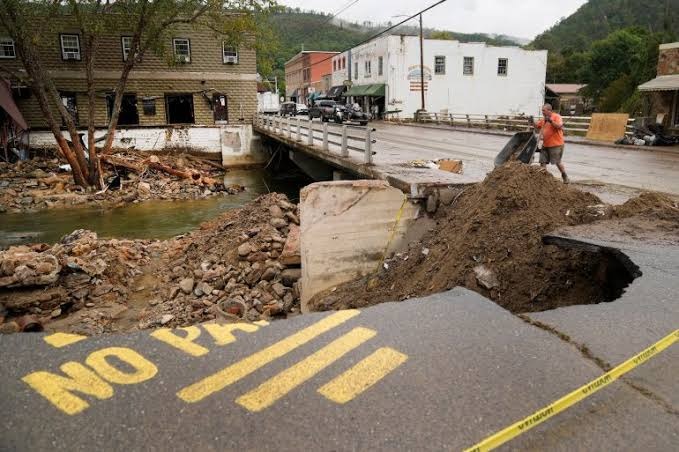
Standard homeowners insurance policies (such as HO-3 and HO-5 forms) strictly exclude water damage caused by external flooding, storm surge, and ground runoff. For residential properties across Panama City, Panama City Beach, Lynn Haven, and Bay County, flood protection requires a separate policy underwritten through the National Flood Insurance Program (NFIP) or private flood insurance carriers.
Navigating an insurance claim after a major storm requires meticulous documentation, rapid mitigation to satisfy policyholder duties, and detailed line-item estimating. Our certified restoration teams work directly with insurance adjusters, providing infrared thermal imaging reports and standardized IICRC dry-out logs to ensure full claim transparency.
Understanding how flood policies operate ensures seamless claim approvals and prevents unexpected out-of-pocket expenses:
Standard home policies cover internal plumbing bursts but deny claims from external storm surge, heavy rain pooling, or canal overflows without a dedicated NFIP or private flood endorsement.
NFIP residential policies provide up to $250,000 for structural coverage, protecting foundations, electrical panels, water heaters, HVAC air handlers, drywall, and permanently installed cabinetry.
Contents coverage is purchased separately (up to $100,000 via NFIP) and covers movable household items such as living room furniture, clothing, rugs, artwork, and electronics.
Flood insurance policies legally require homeowners to take reasonable steps to prevent further damage. Prompt emergency water extraction satisfies this clause and protects claim validity.
We compile detailed moisture mapping data, non-invasive infrared camera scans, and psychrometric daily logs to provide insurance adjusters with incontrovertible proof of water intrusion.
FEMA NFIP requires a formal Proof of Loss statement submitted within 60 days of the disaster. Having professional Xactimate line-item estimates accelerates claim settlements.
Early documentation and certified moisture mitigation ensure smooth claim settlements under NFIP and private underwriting guidelines.
Whether flood-affected materials in a Panama City home can be dried and restored or require removal depends on three fundamental criteria: the porosity of the material, the category of floodwater (Category 1 clean water, Category 2 gray water, or Category 3 black water/storm surge), and the total duration of moisture saturation.
In Bay County's hot, humid subtropical environment, fungal amplification and structural rot occur within 24 to 48 hours if materials remain damp. Our certified technicians follow strict IICRC S500 standards to perform targeted restorative drying on salvageable components while safely cutting and removing contaminated assemblies.
Scientific evaluation determines the most safe and cost-effective approach for each component in your home:
Drywall wicks water upward. When exposed to Category 3 storm surge or standing water over 24 hours, controlled flood cuts 12–24 inches above the moisture line are performed to vent wall stud cavities.
Solid oak, pine, and teak can frequently be saved if treated promptly with specialized high-pressure vacuum drying mats and industrial dehumidifiers before permanent crowning or cupping sets in.
Pressed wood laminate swells permanently and requires replacement. Click-lock LVP can sometimes be uninstalled, sanitized, and reinstalled once concrete subfloors are fully dry.
Porous foam padding traps black water pathogens and must be discarded. Synthetic carpets can be extracted, hot-water washed, treated with EPA antimicrobial sanitizers, and saved in clean water events.
Solid wood face frames and boxes can be dried in place using targeted toe-kick injection drying systems. Saturated particleboard bases and swelling MDF toe-kicks typically require reconstruction.
Heavy structural wood studs, headers, and plywood subflooring are exceptionally resilient and can be completely preserved through antimicrobial treatment and scientific structural drying below 15% moisture.
Objective moisture meter evaluations determine whether home components can be preserved or require reconstruction.
Understanding the distinct scope of each flood mitigation service clarifies your recovery plan and ensures the right specialized equipment is deployed for your home:
| Service | Primary Focus & Household Scope |
|---|---|
| Residential Flood Damage | Entire flooded home living spaces, contents protection, family safety, and complete property recovery |
| Flood Water Removal | High-volume pumping and bulk standing water removal from ground floors, garages, and crawl spaces |
| Flood Water Extraction | Physical extraction of deep trapped water bound inside carpets, underlayment foam, and subfloors |
| Flood Cleanup | Clearing storm mud, outdoor silt deposits, debris clearance, and hospital-grade antimicrobial sanitization |
| Flood Damage Repair | Controlled drywall flood cuts, framing repair, cabinet rebuilding, trim replacement, and floor installation |
| Commercial Flood Damage | Large-loss business mitigation for offices, retail stores, restaurants, industrial facilities, and warehouses |
| Hurricane Flood Damage | Disaster-scale storm surge mitigation, salt neutralization, and multi-room storm recovery across Bay County |
We provide residential flood damage services to homeowners throughout Panama City and neighboring Bay County communities:
(850) 800-5555 →If your Panama City home has experienced flood damage from storms, hurricanes, or heavy rain, our team provides prompt assessment, standing water removal, structural drying, and full home repairs.