Floodwater does not always remain on the surface. Water can penetrate carpet, padding, flooring, subfloors, walls, cabinets, and other porous materials.
Panama City flood water extraction focuses on removing absorbed and trapped moisture from water-affected materials after flooding. The process goes beyond pumping or removing visible standing water and addresses moisture that remains within building materials and contents.
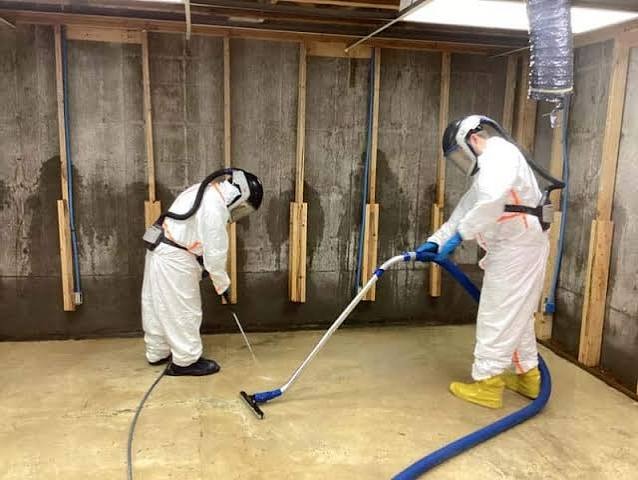
After floodwater enters a property, visible water is only part of the problem. Porous materials can absorb water and retain moisture after the surface appears relatively dry.
Flood water extraction is designed to address this absorbed moisture.
Depending on the condition of the property, extraction may involve carpets, carpet padding, flooring materials, subfloors, upholstery, contents, and other water-affected materials.
The extraction process is followed by moisture assessment and structural drying when appropriate.
Flood water extraction is the process of removing water that has been absorbed into or retained by affected materials. While water removal primarily addresses bulk standing water, extraction focuses on water that has moved into materials or remains trapped in specific areas.
Floodwater saturates carpet pile, backing, and underlayment foam, requiring deep extraction to prevent mold and delamination.
Water penetrates finished flooring seams, requiring extraction to prevent wood cupping, vinyl lifting, and adhesive degradation.
Plywood, OSB, and concrete subfloors absorb trapped moisture, needing targeted extraction before structural drying begins.
Porous contents, sofas, and fabrics hold contaminated water and require specialized moisture extraction techniques.
Manufactured bases and vanity toe kicks wick ground moisture, requiring extraction to prevent permanent swelling.
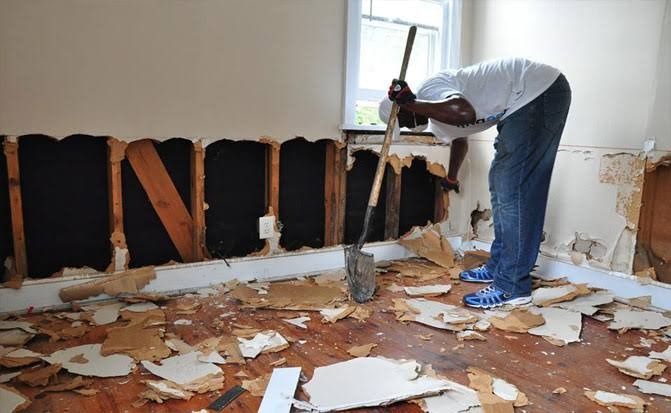
Drywall bases, baseboards, and wall framing cavities retain moisture that must be addressed to prepare for complete structural drying.
Water removal focuses on bulk water.
The primary objective is to get accumulated water out of the affected area.
Water extraction focuses on water retained within materials and surfaces.
The extraction stage is more material-focused and can occur after or alongside bulk water removal depending on the property's condition.
Flood water extraction may be appropriate when water has moved beyond the visible surface. Common situations include:
Carpet can absorb significant amounts of water. Extraction can help remove water from the carpet before the affected material is evaluated for further drying or removal.
Padding can retain water beneath carpet even after surface water has been removed. Because padding is hidden beneath the carpet, its condition needs to be evaluated separately.
Floodwater can move beneath flooring materials and remain trapped between layers. This can include moisture beneath hardwood flooring, laminate flooring, vinyl flooring, tile assemblies, and other flooring systems.
Subfloors can absorb moisture after prolonged exposure to floodwater. Moisture levels should be evaluated before deciding whether affected materials can remain in place.
Furniture, upholstery, rugs, and other contents can retain moisture after a flood. Extraction may be part of the process used to address recoverable water-affected contents.
The source, volume, and depth of trapped floodwater significantly influence the equipment and extraction protocols required.
Using thermal imaging and calibrated moisture meters to map moisture boundaries beneath visible dry surfaces.
Identifying saturated carpet padding, hardwood subflooring, baseboard tracks, and wall cavity insulation.
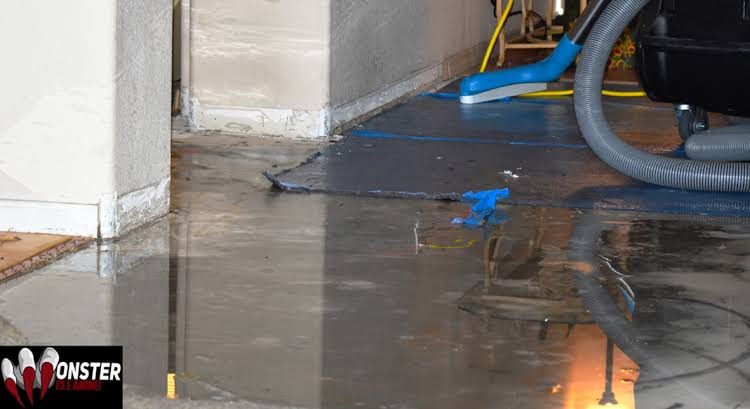
Positioning weighted extraction rovers, deep-suction claw tools, and truck-mounted vacuum units.
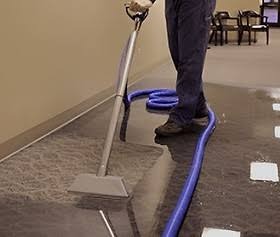
Applying pressurized physical suction to extract gallons of water bound in padding, flooring layers, and subfloors.
Re-measuring moisture percentages to confirm extraction goals before positioning structural dehumidifiers.
Setting industrial low-grain refrigerant dehumidifiers and centrifugal air movers for deep structural drying.
Different materials absorb and hold floodwater in different ways. Our specialized extraction equipment targets deep moisture trapped within building assemblies and contents.
Carpet & Flooring
Flooring systems can be particularly challenging after flooding because water quickly moves below the visible surface. Carpet fibers and dense padding underneath act like a sponge, holding gallons of contaminated floodwater. Other flooring systems like hardwood, laminate, and vinyl allow water to penetrate seams, trapping moisture beneath the surface.
Heavy-duty extraction helps address accessible moisture before affected materials are evaluated for restorative drying, cleaning, removal, or repair.
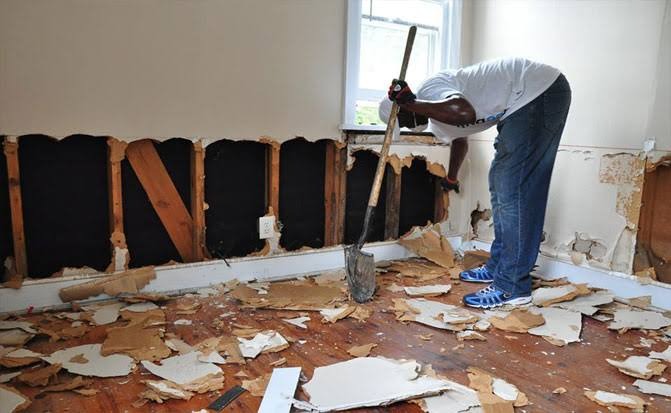
Subfloors—whether plywood, OSB, or concrete slab—absorb high volumes of moisture when floodwater remains in contact with overlying flooring assemblies. Moisture frequently remains trapped even after surface standing water has been completely pumped away.
Calibrated moisture assessments and targeted subfloor extraction help remove deep saturation, preventing secondary structural decay, floor buckling, adhesive failure, and hidden mold propagation.
 Subfloor Systems
 Recoverable Contents
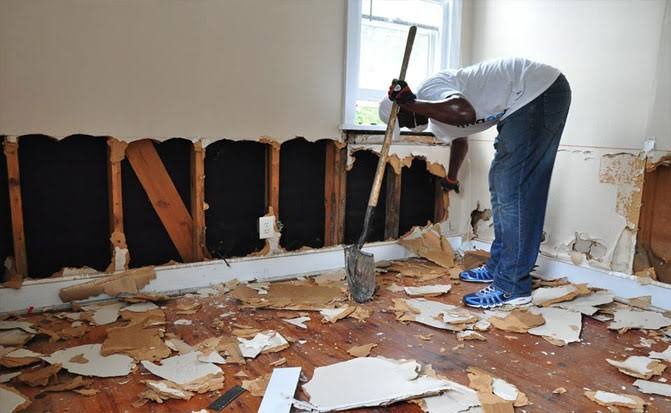
Flooding can affect furniture, rugs, upholstery, and personal belongings. Where contents are considered potentially recoverable, extraction and rapid drying are deployed as part of the evaluation process to salvage valuable property.
Affected items are systematically separated from unaffected belongings. Materials exposed to contaminated floodwater undergo careful safety screening before restoration.
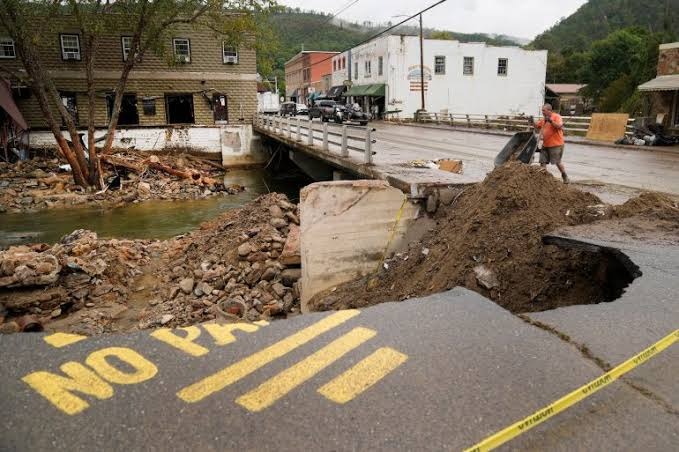
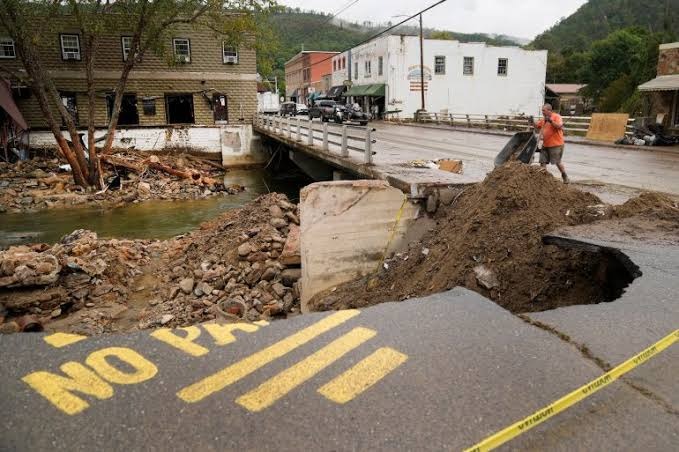
Panama City and Bay County properties frequently face severe water intrusion from hurricanes, tropical storms, heavy rainfall, and coastal storm surges. After a major storm, floodwater enters homes and commercial buildings, moving deeply into flooring, walls, and structural assemblies.
Once bulk water has been pumped out, high-volume extraction targets the moisture retained inside building cavities to stabilize the structure and prepare for comprehensive drying.
 Storm Response
Residential flooding can affect much more than the visible floor area. Water quickly migrates into hidden spaces, porous drywall, and beneath multi-layered floor assemblies.
Our residential extraction teams use calibrated thermal tools and specialized extractors to remove trapped moisture across all water-affected areas of your home:
Carpets, padding, closet baseboards, and furniture bases.
Hardwood, subfloors, area rugs, and upholstered seating.
Cabinet toe kicks, under-appliance spaces, and tile subfloors.
Subfloors beneath tile, vanities, and pipe wall cavities.
Slab ponding, drywall perimeter bases, and storage bins.
Walk-in closets, under-stair storage, and pantries.
Trapped water in vinyl planks, laminates, and hardwood.
Base framing, wood trim, kickboards, and vanities.
Wooden furniture feet, saturated upholstery, and personal items.
Trapped water under floor joists, sub-framing, and vapor barriers.
The extraction method and equipment we deploy depend strictly on the materials affected, the category of floodwater, and the depth of saturation.
Commercial facilities present distinct extraction challenges due to large square footages, concrete slab assemblies, high-density inventory, and critical electronic equipment.
Our commercial extraction fleet deploys high-volume truck-mounted vacuum units to rapidly extract floodwater, protect assets, and minimize operational downtime:
Low-profile glue-down carpets, modular cubicle walls, server room raised flooring, and drywall partitions.
Display casework, stockroom shelving, POS checkout registers, and finished customer flooring systems.
Quarry tile subfloors, commercial refrigeration units, dry food storage areas, and dining room seating.
High-volume concrete slab extraction, pallet rack storage areas, forklift lanes, and loading dock bays.
Shared corridors, multi-floor vertical water migration, elevators, common areas, and individual tenant units.
Sterile procedure areas, patient waiting rooms, diagnostic suites, and administrative medical record storage.
Our commercial disaster teams mobilize immediately to assess business interruption risk, extract heavy floodwater, and restore operational safety.
 Recovery Roadmap
Extraction is the crucial first step in flood recovery, but it is not the end of the process. Once bulk and trapped moisture are extracted, your property transitions through a structured multi-phase restoration protocol:
Removing visible surface water does not mean a building is dry. Trapped water held within subflooring, baseboard tracks, and wall cavities creates an invisible moisture reservoir that rapidly compromises structural integrity.
Rapid, professional extraction protects building materials, preserves personal belongings, and significantly reduces total restoration expenses.
 Moisture Mitigation
When storm surge, heavy rain, or localized flooding impacts your property, rapid physical extraction prevents costly structural decay.
Our rapid mobile extraction fleet provides 24/7 emergency dispatch throughout Panama City and all surrounding Bay County communities:
Our crews are staged across Bay County with industrial extraction units ready for 24/7 rapid deployment.
 Insurance Claims
Most standard homeowner insurance policies do not cover external floodwater, storm surge, or rising bayou water. Flood damage claims are typically processed through the National Flood Insurance Program (NFIP) or private flood insurance underwriters.
Before disposing of any significantly damaged materials, document all affected areas with comprehensive photos and video. Keeping precise records of water extraction logs, psychrometric drying curves, and contractor invoices ensures seamless claims validation.
While minor clean water spills from a household sink can sometimes be cleared with standard wet-vacs, natural floodwater poses distinct physical, biological, and structural challenges:
Never operate standard electrical equipment while standing in water. If floodwater conditions are uncertain, professional extraction and thermal assessment are strongly recommended.
 Professional Extraction
Extraction and drying are different processes.
(850) 800-5555 →If floodwater has entered your Panama City property, visible water may not be the only moisture problem. Flood water extraction can address water retained in flooring, carpet, padding, subfloors, contents, and other affected materials.