Hurricanes and tropical cyclones bring severe coastal weather to Panama City, introducing floodwater through coastal storm surge, extreme rainfall, tidal overflow, and wind-driven water intrusion. Our dedicated hurricane flood restoration team provides rapid assessment, high-capacity water removal, structural drying, and complete damage repairs.
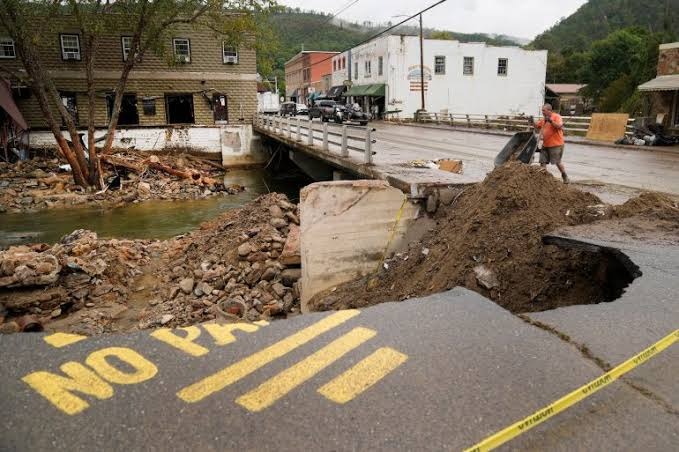
Hurricanes are complex meteorological events capable of causing severe flood damage through multiple distinct mechanisms. Unlike isolated plumbing leaks or localized drainage issues, hurricane flooding impacts large geographical sections of Bay County simultaneously.
During a hurricane, properties can be exposed to torrential rainfall, coastal storm surge, tidal overflow from St. Andrews Bay and the Gulf of Mexico, and localized surface flooding. Floodwater carries mud, silt, organic debris, and external contaminants directly into living spaces and commercial facilities.
Addressing hurricane flood damage requires a coordinated approach tailored to either Residential Flood Damage in private homes or Commercial Flood Damage in business facilities.
Understanding the specific mechanism behind water intrusion helps guide appropriate extraction, structural drying, and repair techniques:
Hurricanes frequently drop 10 to 20+ inches of rain over short periods. This overwhelming volume exceeds municipal stormwater canals and pools against residential foundations.
Powerful cyclonic onshore winds force ocean water from the Gulf into St. Andrews Bay, North Bay, and West Bay, pushing walls of water across low-lying shorelines.
High astronomical tides combined with tropical storm swells inundate bayfront properties, marinas, vacation rentals, and shoreline neighborhoods.
Properties miles away from the coastline experience severe flooding as ditches, bayous, retention ponds, and creeks overflow into inland neighborhoods.
Extreme gale-force winds drive torrential rain beneath door thresholds, through window assemblies, around damaged soffits, and through wind-compromised roofing materials.
Saturated ground levels elevate the local water table, forcing water upward through expansion joints, foundation slabs, and low crawl spaces.
During hurricane season, local flood risk isn't just about how much rain falls from the sky. It's the combined impact of storm surge barreling through St. Andrews Sound, astronomical high tides backing up into urban bayous like Watson Bayou and Massalina Bayou, and torrential runoff overwhelming saturated drainage basins in Millville, Glenwood, and downtown corridors.
Many residential and commercial properties throughout Bay County fall within FEMA Special Flood Hazard Areas (SFHA)—specifically Zone AE (100-year floodplain with designated base flood elevations) and Zone VE (coastal velocity zones subject to destructive wave action). Knowing your property's specific elevation and flood zone helps you prepare effectively before a storm and take the right recovery steps after.
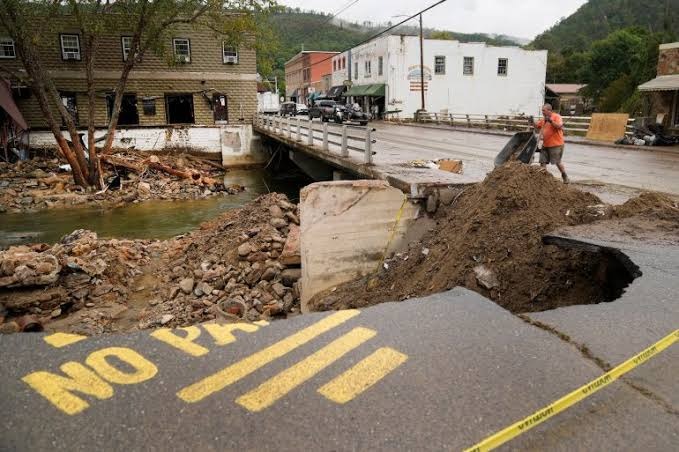
Coastal surge and torrential rainfall can inundate Bay County properties in under 60 minutes during tropical events.
Understanding the specific residential assemblies vulnerable to storm damage helps guide thorough water extraction, targeted flood cuts, antimicrobial sanitation, and precise structural drying.
Standing hurricane floodwater rapidly saturates carpet fibers and dense padding underneath. Hardwood planks cup and buckle, while laminate and luxury vinyl tile (LVT) trap water against the subfloor, requiring swift high-powered extraction and moisture mitigation.
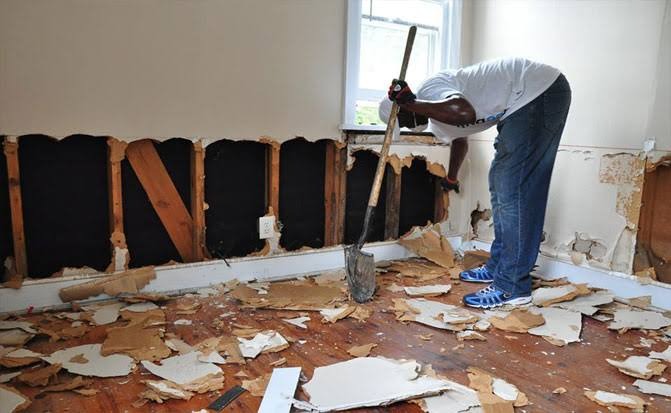
Porous gypsum drywall wicks standing stormwater upward via capillary action well above the visible water line. Wet drywall softens and fosters microbial growth, requiring calibrated thermal moisture mapping and clean flood cuts to open wet cavities for ventilation.
Particleboard and solid wood vanity bases absorb water from wet floors, leading to severe swelling, delamination, and hidden pockets of trapped moisture beneath toe kicks. We deploy targeted toe-kick injection drying systems to salvage custom cabinetry whenever possible.
Upholstered sofas, mattresses, clothing, family keepsakes, and household electronics require urgent sorting and evaluation. Salvageable items are moved to clean, climate-controlled environments for specialized sanitization and rapid desiccant drying.
Coastal storm surges and heavy rains easily pool under raised homes across Bay County. Standing crawl space water saturates bare ground soil, rots structural floor joists, and creates excessive humidity that degrades indoor air quality upstairs.
Ground-level concrete garage slabs collect mud, silt deposits, and contaminated outdoor runoff, submerging water heaters, electrical panels, workshop tools, and boxed storage. Our crews pump out water and power-wash contaminated concrete.
Moisture trapped beneath floor coverings penetrates deep into plywood seams and porous concrete slabs. Without industrial desiccant dehumidification and directional air movement, bound subfloor water causes long-term structural weakness and persistent odors.
Fiberglass and cellulose insulation act like giant sponges when exposed to storm surge. Saturated insulation compresses permanently, completely loses its R-value, and holds contaminated moisture against wood studs, requiring controlled removal and disposal.
When storm surges from St. Andrews Bay or torrential rainfall penetrate commercial building envelopes, thousands of square feet of workspace, customer areas, and sensitive IT assets require immediate industrial extraction and rapid business continuity protocols:
Protecting customer sales floors, checkout registers, display fixtures, and back-of-house storage from rising floodwaters and roof leaks.
Extracting trapped water from commercial glue-down carpet tiles, executive workstations, conference rooms, and server room enclosures.
Commercial kitchen floor degreasing, food-grade biocide sanitization, walk-in cooler drying, and dining room quarry tile restoration.
High-volume water pump-outs across extensive concrete slabs, loading dock roll-up doors, and forklift staging pathways.
Multi-story water mitigation for beachside condominium complexes, apartment buildings, property management corridors, and stairwells.
Barcode-tracked pack-out, selective cryogenic freeze-drying of critical business records, and off-site secure climate-controlled storage.
Stabilizing manufacturing machinery, commercial HVAC air handlers, emergency generators, and sensitive computer mainframes.
Deep moisture extraction under vinyl composition tile (VCT), industrial epoxy coatings, sealed polished concrete, and engineered hardwood.
Taking prompt, methodical measures immediately after municipal officials issue the all-clear protects your family's health, prevents secondary moisture deterioration, and establishes the photographic foundation required for your insurance claim:
Never enter a flooded home if you observe ceiling sagging, wall bowing, or smell natural gas. Avoid entering at night; use battery-powered flashlights rather than open flames.
Ensure main electrical breakers and gas supply valves are completely shut off before stepping into any standing water. Do not touch submerged electrical panels or appliances.
Storm surge and river overflow carry Category 3 pathogens, chemicals, agricultural runoff, and hazardous silt. Wear rubber boots, gloves, and N95 masks when inspecting flooded zones.
Document exterior watermarks, standing water levels, ruined carpet, swollen cabinetry, and serial plates on water heaters and HVAC systems prior to moving or removing anything.
Move salvageable personal records, dry furniture, and dry clothing to an elevated upper floor or unaffected room to prevent secondary humidity damage and mold cross-contamination.
Contact PC Dryout at (786) 776-2868 for emergency water removal, board-up, sanitization, and desiccant structural drying.
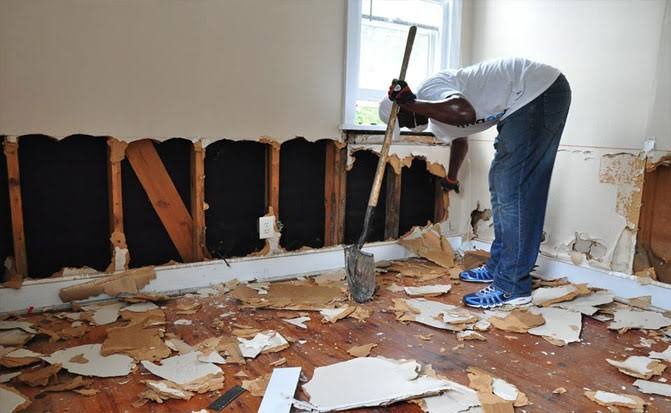
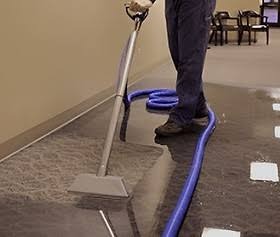
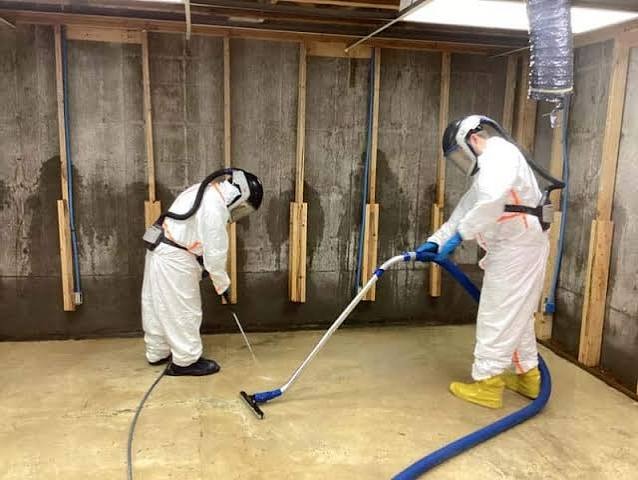
Explore our five specialized technical phases designed to extract storm water, eliminate coastal contaminants, dry framing assemblies, and restore your property:
When catastrophic storm surge pushes across St. Andrews Bay or torrential rainfall overwhelms municipal drainage, thousands of gallons of standing floodwater pool in living rooms, crawl spaces, and ground-level garages. Our crews immediately deploy high-capacity submersible trash pumps, engine-driven diaphragm pumps, and truck-mounted vacuum extractors capable of pumping over 10,000 gallons per hour to instantly relieve hydrostatic foundation pressure.
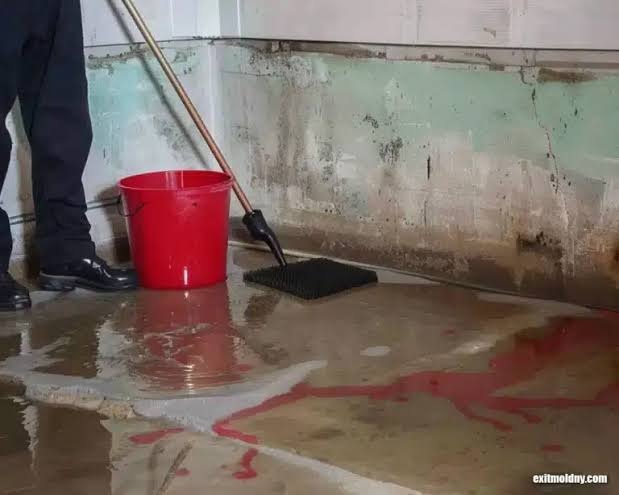
Pumping surface water is only the first step—huge quantities of storm moisture remain trapped inside dense carpet fibers, padding, hardwood pores, and plywood subfloor seams. We utilize weighted extraction rovers and targeted cavity vacuum systems to apply hundreds of pounds of downward compression, drawing deep bound moisture out of structural flooring assemblies before microbial growth takes hold.
Hurricane floodwaters carry Category 3 blackwater contamination—a toxic mixture of saltwater silt, organic marsh mud, oil residues, and municipal sewer overflows. Our certified technicians remove waterlogged debris, power-wash contaminated concrete slabs, and apply hospital-grade, EPA-registered botanical and quaternary biocides to sanitize all structural framing and surfaces.
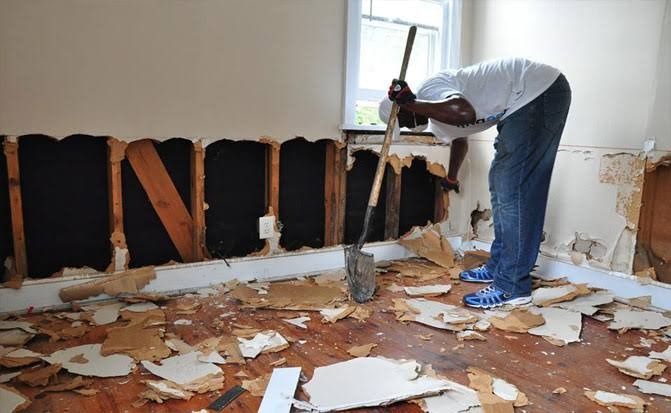
In Florida's humid subtropical climate, lingering moisture trapped inside wall studs, subfloors, and ceiling joists will trigger severe mold outbreaks within 24 to 48 hours. We engineer balanced psychrometric drying chambers using high-CFM centrifugal air movers, industrial low-grain refrigerant (LGR) dehumidifiers, and mobile commercial desiccant trailers to pull moisture out of structural framing until verified dry to IICRC S500 standards.
Once structural assemblies are certifiably dry and sanitized, our licensed general construction crews begin full property reconstruction. We handle everything from hanging mold-resistant drywall and custom trim work to installing brand-new hardwood, tile, or luxury vinyl plank (LVP) flooring, restoring your home to pristine condition and complying fully with Florida Building Code standards.
Immediate structural integrity inspection, roof breach evaluation, and floodwater classification across the property.
High-output industrial trash pumps remove sea surge, bay water, and heavy rainwater from interior spaces.
Industrial suction rovers extract deep saltwater and storm moisture from subfloors, slabs, and framing.
Clearing ocean silt, storm mud, and applying hospital-grade EPA antimicrobials to neutralize bio-contaminants.
Deploying high-capacity dehumidifiers and vortex air movers to dry saturated structural lumber and framing.
Hanging fresh moisture-resistant drywall, installing new flooring, and restoring property finishes to pre-loss condition.
Unlike isolated indoor plumbing leaks or localized surface flash flooding, hurricane flood events present complex multi-source water hazards requiring specialized equipment and industrial restoration protocols.
| Flood Category | Primary Cause & Water Dynamics | Specialized Restoration Protocol |
|---|---|---|
| Hurricane Flood Damage | Multi-vector inundation: coastal storm surge from St. Andrews Bay, 10–20+ inches of torrential rain, and gale-force wind-driven water intrusion. | Emergency power generation, heavy-capacity water extraction, structural desiccant drying, and full Category 3 blackwater biocidal sanitation. |
| Severe Storm Flooding | Convective Gulf Coast thunderstorms dropping 3–6 inches of rapid rain that overwhelms municipal ditches and yard swales. | Targeted water pump-out, drainage channel clearing, and residential LGR dehumidifier drying. |
| Residential Flood Damage | Rising groundwater, crawl space accumulation, and surface water entering single-family homes, townhouses, and condos. | Carpet & subfloor extraction, drywall flood cuts, furniture pack-out, and indoor air quality stabilization. |
| Commercial Flood Damage | Large-loss structural flooding affecting retail spaces, offices, warehouses, and industrial elevator pits. | Phased zone containment, industrial trailer desiccants, business continuity workflows, and commercial insurance logging. |
| Flood Water Removal | Bulk standing water pooling across floors, submerged garages, and inundated foundation slabs. | High-flow submersible trash pumps and continuous-flow extractors removing thousands of gallons per hour. |
| Flood Water Extraction | Bound water trapped inside porous carpets, subfloor plywood seams, concrete slabs, and wall insulation. | Weighted compression rovers and negative-pressure cavity drying systems pulling deep interstitial moisture. |
In the wake of a named tropical cyclone in Bay County, prompt and thorough loss documentation is vital. Capturing photographic and video proof of peak waterlines, saturated floor coverings, submerged appliances, and ruined furniture before emergency tear-out ensures your adjuster has the necessary evidence to process both building and contents coverages accurately.
Document Before Tear-Out: Capture high-resolution video and photos of standing water, exterior watermarks, and serial plates on mechanical units.
Maintain Detailed Inventory Records: List damaged contents with approximate purchase dates, model numbers, and estimated replacement values.
Certified Psychrometric Logs: PC Dryout provides daily atmospheric moisture readings and thermal scans required by insurance adjusters.
We provide complete moisture mapping and daily dry logs to accelerate your NFIP or private flood claim approval.
Taking decisive protective actions across your home's exterior envelope, drainage pathways, and vital systems helps defend your property throughout the Atlantic hurricane season.
Review Bay County Emergency Management Flood Maps to verify whether your property lies in FEMA Zone AE (100-year floodplain with Base Flood Elevations) or Zone VE (coastal velocity wave action). Identify primary evacuation routes along Highway 98 (Tyndall Pkwy), Highway 231, and State Road 77 before mandatory orders take effect.
Deploy heavy-duty aluminum hurricane shutters or impact-rated storm panels over all window assemblies. Install rubber flood barriers or commercial sandbag berms across exterior patio sliders, garage doors, and low entry thresholds to divert sheet-flow stormwater runoff away from living areas.
Ensure roof gutters, downspouts, and drainage ditches are completely cleared of pine needles, leaves, and coastal sand. Install downspout extensions that discharge roof water at least 6 to 10 feet away from foundation walls to prevent backflow and hydrostatic slab pressure during torrential downpours.
Elevate exterior HVAC compressor units on elevated hurricane platforms above local base flood levels. Move ground-level appliances, water heaters, power tools, generators, and delicate electrical components off slab floors onto heavy-duty masonry pedestals or upper storage tiers.
Municipal sewer lines and storm conduits frequently surcharge during tropical systems. Installing licensed backwater valves prevents sewage and stormwater from backing up through basement and ground-floor drains. Equip low crawl spaces with automatic submersible sump pumps paired with battery backups.
Secure insurance policies, birth certificates, property deeds, mortgage documents, medical records, and digital hard drives in waterproof, portable fireproof safes stored on upper levels. Maintain high-resolution cloud backups of all vital documents and a complete digital home inventory video.
Standard homeowners insurance policies exclude flood damage resulting from rising storm surges and outdoor overland runoff. Verify your National Flood Insurance Program (NFIP) or private flood policy coverage limits, building deductible, and contents coverage at least 30 days prior to hurricane season.
In the chaotic aftermath of a named hurricane, regional restoration equipment becomes scarce within hours. Save PC Dryout's 24/7 Emergency Dispatch ((786) 776-2868) in your contacts to secure priority rapid-response extraction, temporary tarping, and desiccant structural drying immediately after the storm clears.
Post-hurricane flood recovery is a progressive, multi-stage restoration workflow. Understanding what happens at each stage ensures your home is safely stabilized, sanitized, and fully restored to IICRC standards.
| Recovery Stage | Restoration Action & Critical Protocol |
|---|---|
| 1. Hazard Containment | Verifying structural stability, securing electrical mains, shutting off utilities, and establishing safety containment zones. |
| 2. Water Extraction | High-capacity submersible trash pumps and truck-mount extractors remove standing floodwater to eliminate hydrostatic pressure. |
| 3. Debris & Silt Removal | Clearing thick storm surge mud, organic marsh silt, and exterior debris from crawl spaces, living areas, and garages. |
| 4. Precision Flood Cuts | Removing ruined wet drywall and saturated fiberglass insulation 12 to 24 inches above peak waterline to expose framing studs. |
| 5. Antimicrobial Sanitation | Applying EPA-registered botanical and quaternary biocides to eliminate Category 3 blackwater pathogens and bacteria. |
| 6. Structural Drying | Operating industrial low-grain refrigerant (LGR) dehumidifiers and high-CFM axial air movers to dry wood framing and subfloors. |
| 7. Moisture Verification | Conducting daily psychrometric readings, pin-probe moisture tests, and thermal imaging scans until IICRC S500 dry standards are achieved. |
| 8. Final Reconstruction | Reinstalling new drywall, trim, insulation, and flooring systems to restore the property to pre-storm condition. |
We provide hurricane flood restoration across Panama City and surrounding Bay County communities:
(850) 800-5555 →If your home or commercial facility has sustained flood damage from hurricane storm surge, heavy rainfall, or severe coastal storms, our team provides emergency extraction, drying, cleanup, and complete repairs across Bay County.