Fast, safe removal of standing floodwater from homes, businesses, garages, and crawl spaces throughout Panama City and Bay County. 24/7 emergency dispatch.
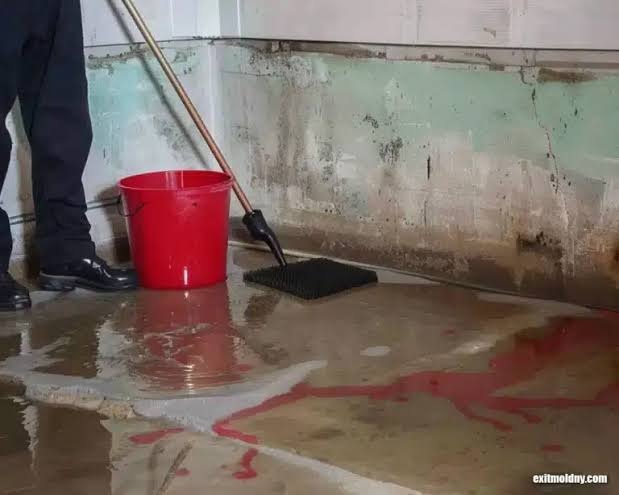
Standing water is the most urgent issue when a property experiences flooding. Whether floodwater enters from severe weather, bayou overflow, or storm surge, the longer it remains inside a building, the more damage it causes to flooring, walls, structural framing, and personal property.
Professional flood water removal focuses on extracting standing water quickly using commercial-grade pumps and extraction equipment. Removing the bulk of the water is the essential first step before any cleaning, drying, or repair work can take place.
Rapid arrival across Bay County prevents water from wicking high into wall cavities.
Industrial submersibles pump hundreds of gallons per minute from deep flood zones.
IICRC trained crews ensure safe decontamination and moisture containment.
Different flood events cause water to accumulate in various parts of a property. Recognizing specific situations helps determine when professional water removal is appropriate.
Water covering interior floors in living rooms, hallways, bedrooms, or kitchens requires prompt extraction before porous materials absorb deeper moisture.
Ground-level garages can collect significant water from runoff or storm surge, threatening stored belongings, tools, and lower wall framing.
Standing water beneath a home saturates the soil and keeps subfloors and floor joists damp, requiring specialized pumping equipment.
Sudden downpours can overwhelm yard drainage and pool against foundations, entering ground floors and patio enclosures.
Major tropical systems introduce complex water intrusion combining high rainfall, wind-driven moisture, and storm tides across multiple rooms.
Tidal waters pushing inland from bays and coastal inlets can leave standing brackish water requiring immediate high-volume pumping.
Offices, retail spaces, and warehouses with standing water need fast removal to protect equipment, inventory, and business operations.
Water trapped in low areas around foundation perimeters can continue seeping through slab joints and crawl space vents until cleared.
Not all floodwater is the same. The source of the water affects how it is removed, the safety precautions required, and the steps needed after water removal.
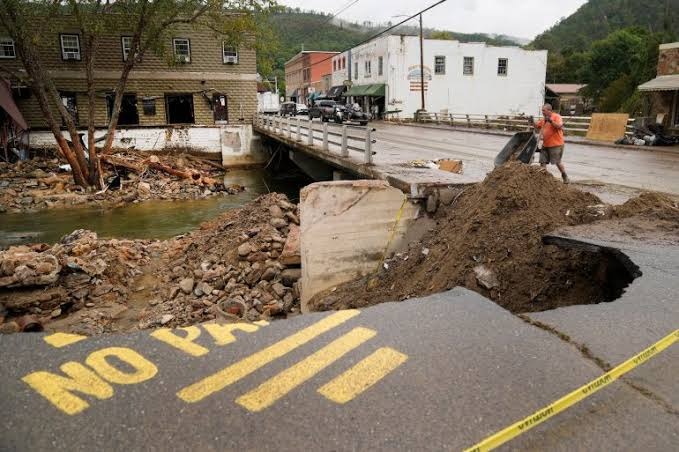 Storm Surge
Seawater driven inland by tropical storms and hurricanes carries salt, sand, and organic debris. Storm surge water must be pumped out promptly, and affected surfaces require freshwater rinsing to reduce salt residue before drying.
Intense rainfall can overwhelm stormwater drainage systems and pool on low-lying properties. Rainwater runoff often carries lawn chemicals, dirt, and street runoff into structures through ground-floor entry points.
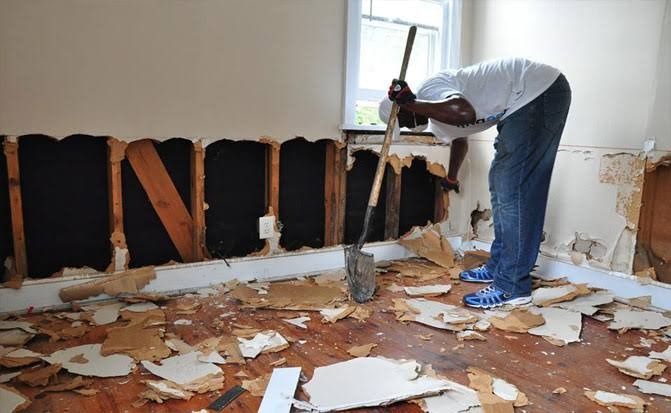 Rain Inundation
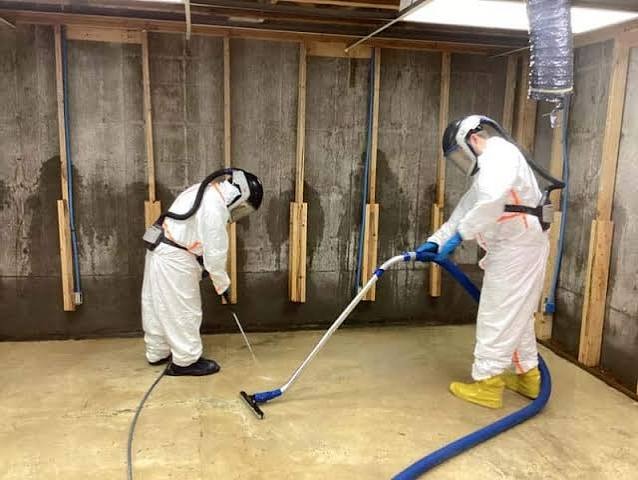 Bayou & Canal Overflow
Properties near Watson Bayou, Robinson Bayou, Mill Bayou, and other waterways face rising water that enters through low doors, vents, and foundation gaps during sustained rain or wind-driven tide events.
Crawl spaces beneath elevated homes can trap water that does not drain naturally. This trapped water creates persistent humidity, mold growth, and wood rot in floor joists and subflooring unless mechanically pumped and dried.
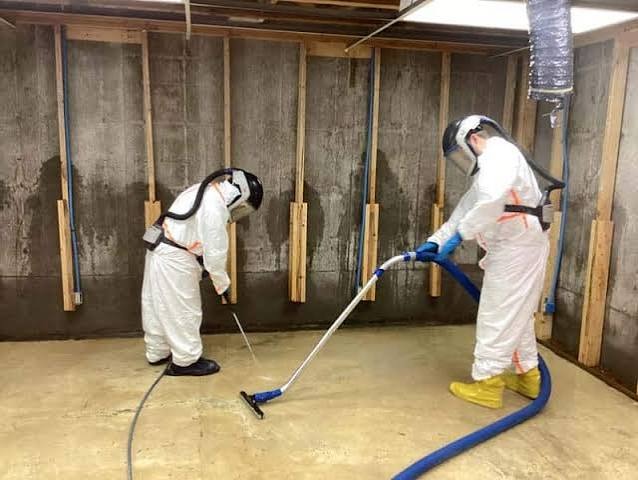 Crawl Space Drainage
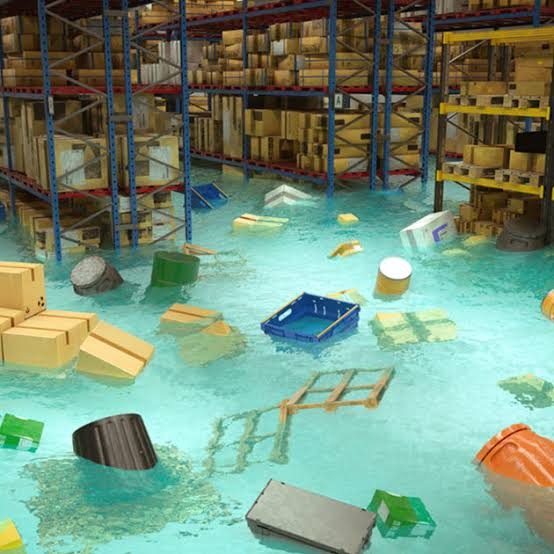 Commercial Scale
Large commercial spaces require high-capacity pumping equipment and coordinated extraction plans to remove water from large floor areas quickly and prevent extended business interruption.
Extracting standing floodwater quickly is the single most critical step in minimizing long-term structural degradation:
Inspecting water depth, identifying electrical or contamination hazards, and locating all affected areas across the property.
Deploying heavy-duty submersible pumps to rapidly remove feet of standing storm surge or rainwater from ground levels.
Industrial claw extractors and weighted vacuum systems pull trapped water from subfloors, tile underlayment, and framing.
Thermal imaging scans walls and cabinetry to locate concealed water pockets before they cause mold growth.
Commercial dehumidifiers and high-velocity air blowers begin drying the property immediately following bulk water extraction.
Antimicrobial washdown of extracted areas and final pin meter verification that all standing water and high moisture are resolved.
Our extraction fleet mobilizes 24/7 across Panama City and Bay County to remove standing water before structural damage escalates.
Call (786) 776-2868While these terms are often used interchangeably, they refer to different stages of the water mitigation process:
The bulk removal of visible, standing water using high-volume submersible pumps, trash pumps, and portable extractors. The goal is removing the volume of water as quickly as possible to prevent ongoing structural saturation.
The deeper extraction of water held in porous materials—such as carpets, carpet padding, subfloors, and upholstery—using weighted extraction units, specialized vacuum systems, and deep-reach tools.
Floodwater does not always stay where it enters. It migrates along low points, penetrates hidden cavities, and pools in specific areas:
Ground-floor living spaces with carpet, hardwood, or tile can hold standing water that saturates baseboards and drywall.
Water collects under cabinets, beneath appliances, and behind toe-kicks where it cannot evaporate on its own.
Low-threshold entry points allow floodwater to fill garage spaces and utility closets housing water heaters and HVAC equipment.
Water pools beneath the floor structure, keeping humidity levels high and threatening floor joists and insulation.
Water that enters a building can seep into wall cavities through gaps around baseboards and outlets, remaining trapped inside.
Under-floor or low-wall duct systems can fill with water during a flood, requiring drainage, sanitization, or replacement.
Enclosed patios, sunrooms, and screened porches with lower floor levels often trap water against the exterior building envelope.
Water removal requirements vary depending on the type of property, layout, and building materials:
In homes, water removal focuses on clearing water from living spaces, bedrooms, kitchens, and crawl spaces while protecting personal belongings. Special care is taken around furniture, flooring transitions, and finished surfaces.
Commercial water removal often involves larger square footage, concrete slab foundations, commercial flooring, and sensitive business equipment or inventory. Rapid extraction helps minimize downtime and protect commercial assets.
Panama City frequently experiences heavy rain events that drop several inches of water in a short period. Low-lying areas in Bay County, properties near drainage ditches, and homes with flat lots are vulnerable to water pooling against exterior walls and entering through doors and foundations.
When rain-driven floodwater enters a structure, it carries outdoor contaminants including soil, lawn fertilizers, and road runoff. Quick water removal stops the spread of these contaminants and allows drying to begin before mold spores can activate.
While waiting for the water removal team to arrive, there are several important safety and practical steps property owners should take:
If it is safe to reach the breaker panel without stepping in water, shut off power to flooded areas. Never enter standing water when electrical power is on.
Floodwater can carry bacteria, sharp objects, chemicals, and electrical current. If you must walk through water, wear rubber boots and protective gloves.
Take clear photos and video of the standing water, water height lines on walls, and affected belongings before anything is moved or removed.
If safely accessible, move undamaged items, electronics, important documents, and family keepsakes to higher floors or dry surfaces.
Report the flooding promptly to your flood insurance carrier or policy agent to open a claim and receive initial instructions.
Contact a local flood water removal service immediately. Quick response makes a substantial difference in the total damage and recovery timeline.
Hurricanes and tropical storms bring some of the most severe flooding events to Panama City and the surrounding coastal communities. Storm surge from St. Andrews Bay, North Bay, and West Bay pushes tidal water into low-lying neighborhoods, while torrential rains saturate the ground and overwhelm stormwater infrastructure.
Hurricane floodwater is typically Category 3 black water carrying mud, sand, debris, sewage, and chemical residues. Professional removal teams use specialized equipment to pump out large volumes of contaminated water, rinse surfaces to remove salt and silt deposits, and apply antimicrobial treatments before structural drying can begin.
Time is the single most critical factor in flood recovery. The first 24 to 48 hours determine whether materials can be saved or must be replaced:
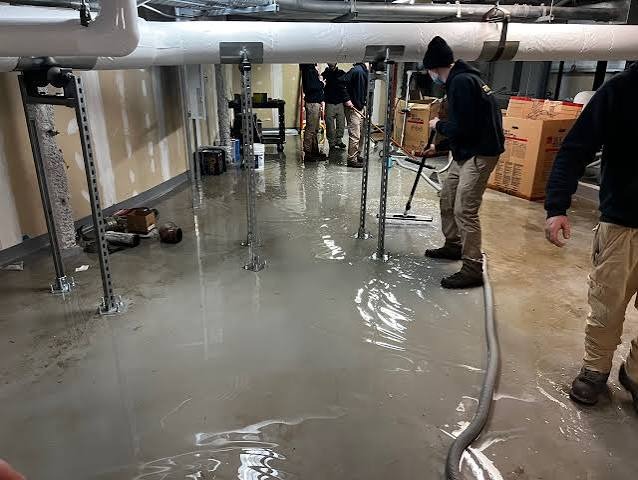 Inspection
Equipment
Rapid Extraction & Drying
Inspection
Equipment
Rapid Extraction & Drying
Removing standing water is step one. The full restoration process involves several subsequent stages to return the property to safe condition:
Clearing mud, silt, and flood debris, followed by thorough cleaning and antimicrobial sanitization of all affected surfaces.
Deploying commercial dehumidifiers and high-velocity air movers to draw trapped moisture from framing, subfloors, and concrete.
Evaluating drywall, insulation, flooring, and trim to identify what must be removed versus what can be dried and restored.
Rebuilding damaged drywall, installing new flooring, replacing trim, and restoring the property to pre-loss condition.
We provide fast emergency flood water removal across all of Panama City and surrounding Bay County communities:
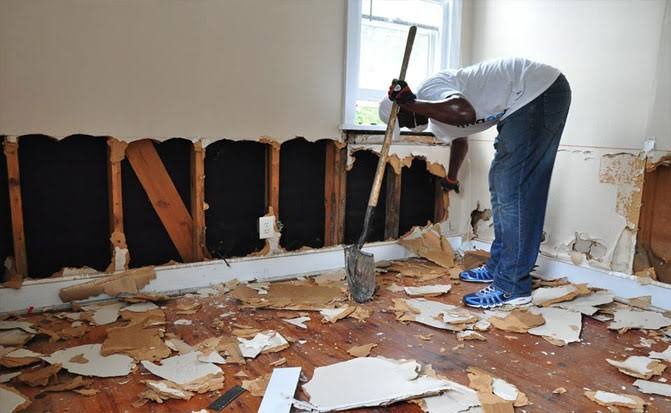 Insurance Claims
Most standard homeowner insurance policies do not cover damage from external floodwater, storm surge, or rising bayou waters. Flood damage is typically covered under a separate flood insurance policy through the National Flood Insurance Program (NFIP) or a private flood insurer.
When filing a flood insurance claim, thorough documentation is essential. We document water height, extent of water spread, and provide detailed equipment logs and moisture readings to support your claim.
The time required to remove floodwater depends on several key variables:
In most residential situations, standing water removal is completed within 2 to 6 hours of equipment setup, after which structural drying immediately begins.
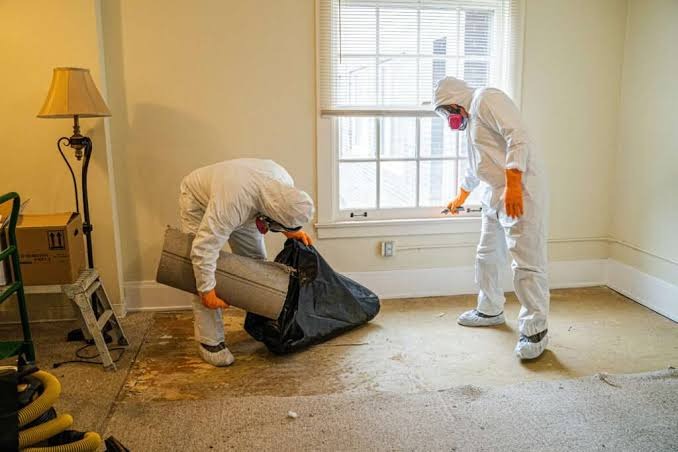 Fast Extraction
Find quick answers to common questions about emergency flood water removal, pumping equipment, safety precautions, and timelines in Panama City.
Our Panama City flood response team is available 24/7 to assess your situation and provide immediate dispatch.
Call (850) 403-6096Do not let standing water compromise your foundation or trigger rapid mold growth. Call our rapid response extraction team right now.